

Neural compass#
This experiment builds a spiking ring attractor that stores heading as an activity bump, integrates a dark turn, and then maps recovery after a sector of the ring is silenced.
Prompt#
Build a ring of head-direction neurons that holds an activity bump like an internal compass. Point it north, rotate the animal in darkness, and show whether the bump follows the turn. Then silence a wedge of the ring and test every starting direction to discover when the compass recovers or fails.
Agent decision path#
Classify the mechanism as a point-neuron recurrent attractor.
Route neurons to
brainpy-stateand delayed binary communication tobrainevent.Construct 48 head-direction neurons with dense ring connectivity.
Encode angular velocity as a signed bias on recurrent transmission.
Cue north, remove the landmark, and integrate a
90 degree/sdark turn.Silence a
60 degreewedge and preserve matched intact controls.Map all 48 starting headings with state-aware
vmap2inside the time loop.Classify spared, recovered, and failed states from error, coherence, activity, and departure.
Result#
The bump moves 94.9 degrees during a commanded 90 degree turn. Across 48 starting headings after the lesion, 11 are spared, 4 recover, and 33 fail.
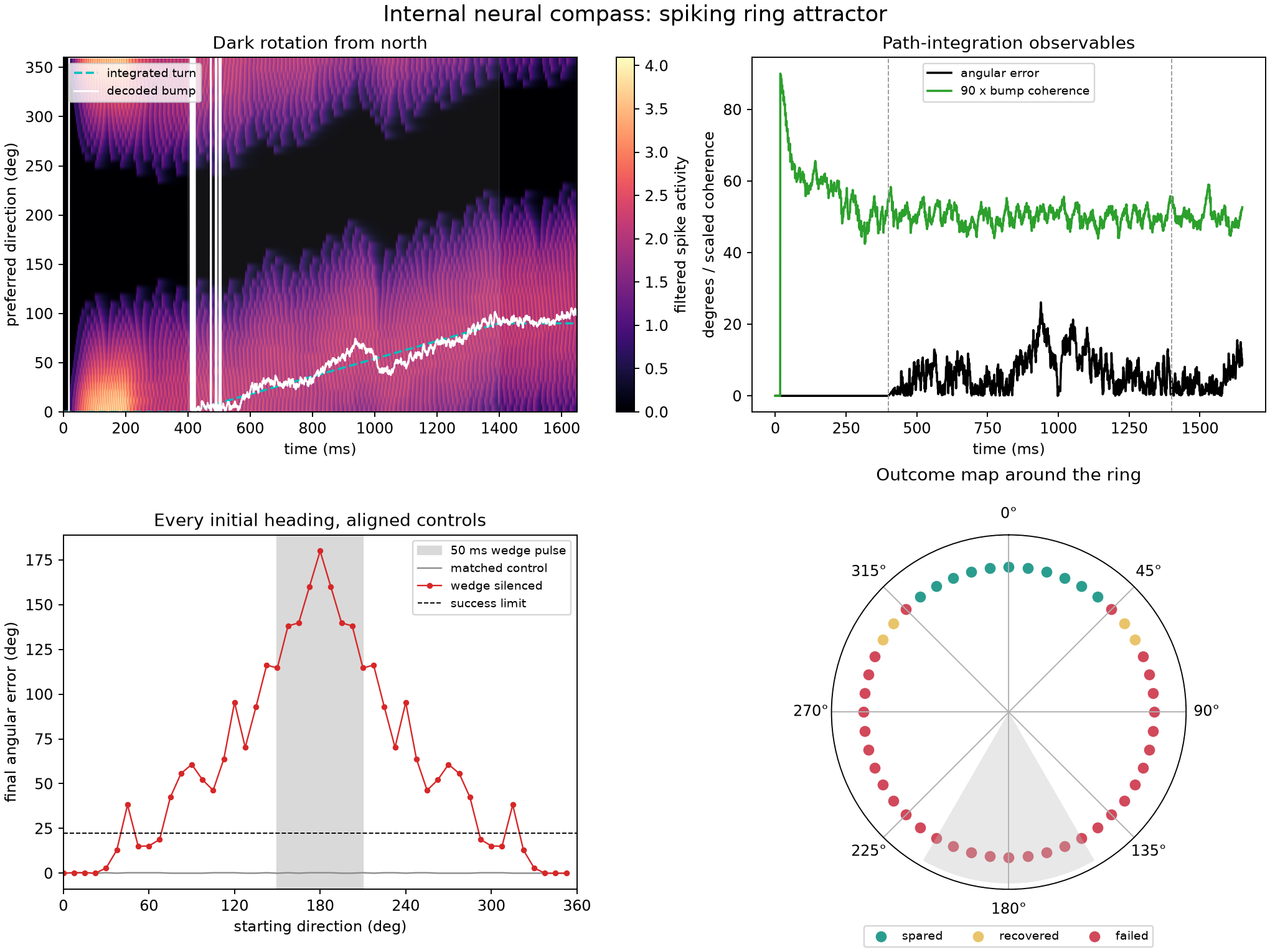
Fig. 11 Continuous heading error and bump coherence support the recovery labels rather than leaving them as visual judgments.#
With-BrainX skill/Without skill comparison#
With BrainX skill
Source captured · benchmark pending
Preserve all headings, matched controls, delay checks, and recovery predicates when measuring execution and code generation.
Without BrainX skill
Matched run not collected
Compare only after the baseline reproduces the same lesion protocol and continuous metrics.